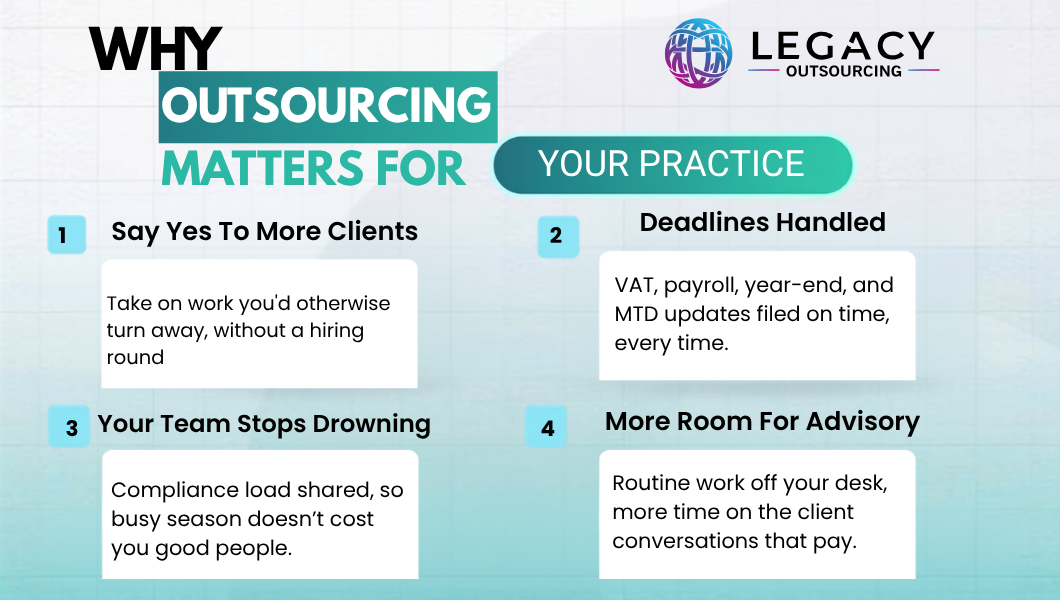

This section explores the hidden burnout behind constant busyness and explains how strategic outsourcing can reduce workload, improve efficiency, and restore focus on core business activities.
- The Silent Burnout Behind “Being Busy” — And How Strategic Outsourcing Can Fix It
- The Problem Isn’t Work. It’s Overload Without Structure.
- The Hidden Cost of Always Being “On”
- Why “Just Hiring More People” Doesn’t Always Work
- Strategic Outsourcing: A Structural Fix, Not a Quick Patch
- How Outsourcing Reduces Silent Burnout
- The Bigger Picture
- Final Thought
- FAQs
The Silent Burnout Behind “Being Busy” And How Strategic Outsourcing Can Fix It
In business, being busy is often worn like a badge of honour.
Full calendars.
Constant emails.
Back-to-back meetings.
Late nights finishing “just one more task.”
On the surface, it looks productive.
But underneath?
There’s often something quieter happening.
Burnout.
Not dramatic exhaustion.
Not collapse.
Not failure.
Just steady, silent pressure that builds over time.
And for growing businesses, this “busy culture” can quietly damage performance, decision-making, and long-term growth.
Let’s talk about what’s really happening and how strategic outsourcing can fix it.
The Problem Isn’t Work. It’s Overload Without Structure.
Growth naturally increases workload:
- More invoices to process
- More payroll complexity
- More compliance deadlines
- More customer demands
- More reporting expectations
The issue isn’t the volume of work.
It’s when internal systems don’t scale with that volume.
That’s when “busy” turns into:
- Reactive decision-making
- Constant firefighting
- Rushed approvals
- Minor mistakes becoming frequent
- Leadership losing strategic focus
And burnout begins quietly.
The Hidden Cost of Always Being “On”
When leaders and teams operate in constant busyness, several things start to erode:
Decision Quality Drops
When you’re overwhelmed, decisions become reactive rather than strategic.
Errors Increase
Pressure creates oversight gaps duplicate payments, payroll mistakes, reporting delays.
Compliance Becomes Stressful
Regulatory deadlines feel like pressure points rather than structured processes.
Leadership Focus Shrinks
Instead of thinking about growth, leaders manage operations.
Team Morale Declines
When every week feels urgent, energy slowly fades.
The business may still look successful from the outside.
But internally, it’s stretched.
Why “Just Hiring More People” Doesn’t Always Work
When stress rises, the first instinct is often to hire.
But hiring brings:
- Recruitment time
- Employer costs
- Training periods
- Management overhead
- Long-term financial commitment
And if processes remain inefficient, adding people doesn’t solve the structural problem.
It simply spreads it.
What growing businesses often need isn’t more staff.
They need scalable systems.
Strategic Outsourcing: A Structural Fix, Not a Quick Patch
Strategic outsourcing isn’t about sending work away.
It’s about redesigning how work flows.
At Legacy Outsourcing, for example, finance functions such as accounts payable are built around:
- Defined workflows
- Clear approval hierarchies
- Exception management systems
- Documented compliance alignment
The objective isn’t just faster processing.
It’s:
- Fewer errors
- Clear accountability
- Strong audit trails
- Better financial visibility
Structure reduces chaos.
And reduced chaos reduces burnout.
How Outsourcing Reduces Silent Burnout
It Protects Leadership Bandwidth
When routine operational tasks are delegated, leaders regain time for:
- Strategy
- Market development
- Innovation
- Revenue growth
Clarity replaces constant urgency.
It Removes Repetitive Administrative Pressure
Administrative overload is one of the biggest hidden stressors in growing businesses.
Outsourcing removes repetitive processing tasks so internal teams can focus on higher-value responsibilities.
Less repetition.
More impact.
It Embeds Compliance Into Process
In the UK especially, compliance pressure is constant:
- HMRC reporting
- VAT submissions
- Payroll regulations
- GDPR standards
When compliance is built into structured workflows, it becomes routine not stressful.
It Creates Predictability
Burnout often comes from unpredictability.
Scalable outsourcing introduces consistent systems and reporting structures.
Predictability reduces tension.
The Difference Between Busy and Productive
Busy businesses:
- React constantly
- Operate under pressure
- Fix issues repeatedly
- Rely on individuals
Productive businesses:
- Operate with structure
- Scale with discipline
- Maintain visibility
- Protect leadership focus
The difference isn’t effort.
It’s systems.
The Bigger Picture
Burnout doesn’t always show up as exhaustion.
It shows up as:
- Slower growth
- Reduced clarity
- Increased mistakes
- Missed opportunities
And it often hides behind the phrase:
“We’re just busy.”
Strategic outsourcing isn’t about stepping back.
It’s about strengthening your foundation.
It transforms constant pressure into controlled progress.
Final Thought
Being busy isn’t the goal.
Being effective is.
If your growth feels heavy rather than energising, it may not be a workload problem.
It may be a structure problem.
The real question isn’t:
“Can we handle this?”
It’s:
“Are our systems strong enough to handle this without burning out?”
Strategic outsourcing doesn’t just reduce workload.
It restores balance.
And balance sustains growth.
FAQs: The Silent Burnout Behind “Being Busy” & Strategic Outsourcing
What is “silent burnout” in a business context?
Silent burnout isn’t dramatic exhaustion — it’s gradual operational strain. It shows up as constant busyness, reactive decision-making, increasing errors, and leadership fatigue. The business appears functional on the outside, but internally, pressure keeps building.
How can I tell if my team is experiencing burnout from growth?
Common signs include:
- Frequent small mistakes
- Delayed reporting
- Missed compliance deadlines
- Reduced team morale
- Leadership constantly firefighting
- No time for strategic planning
If your team is always busy but rarely improving processes, it may indicate structural overload.
Isn’t being busy a sign that the business is doing well?
Not necessarily. Busy doesn’t always mean productive. If busyness comes from inefficient processes, lack of structure, or poor scalability, it can limit growth instead of supporting it.
How does outsourcing reduce burnout?
Strategic outsourcing removes repetitive administrative tasks, strengthens workflows, embeds compliance controls, and improves visibility. This reduces pressure on internal teams and allows leadership to focus on strategic priorities rather than daily operational issues.
Is outsourcing just about reducing workload?
No. While workload reduction is a benefit, the real value lies in building structured systems, improving process discipline, and creating scalable capacity that grows with your business.
Will outsourcing reduce control over operations?
Not when implemented correctly. With defined workflows, reporting dashboards, and compliance-aligned processes, outsourcing can actually increase visibility and accountability.
When should a growing business consider outsourcing?
If growth is creating operational strain, compliance stress, frequent errors, or leadership overload, it may be time to explore strategic outsourcing before burnout affects performance.