
This section explains why outsourcing business activities in the UK can improve efficiency, reduce costs, and provide access to specialised expertise while ensuring compliance with local regulations.
- The UK Business Environment Is More Demanding Than Ever
- What Does Outsourcing Actually Mean Today?
- Why UK Businesses Are Turning to Outsourcing
- When Should You Consider Outsourcing?
- The Bigger Picture for UK Businesses
- Final Thought
- FAQs
If you’re running a business in the UK right now, you already know the pressure.
Rising operational costs.
Tighter compliance requirements.
Increasing competition.
Ongoing economic uncertainty.
So it’s natural to ask:
“Should I outsource my business activities?”
More importantly:
“Does outsourcing actually make sense in the UK?”
Let’s break it down.
The UK Business Environment Is More Demanding Than Ever
Operating in the UK means navigating:
- HMRC regulations
- VAT compliance
- Payroll legislation
- Employment law
- Data protection (GDPR)
- Pension auto-enrolment
- Corporation tax obligations
At the same time, businesses face:
- Rising wage costs
- National Insurance increases
- Inflationary pressure
- Higher office and infrastructure expenses
Managing everything internally can stretch even experienced teams.
Outsourcing is no longer just an option.
For many businesses, it’s becoming a strategic necessity.
What Does Outsourcing Actually Mean Today?
Outsourcing doesn’t mean “sending jobs abroad blindly.”
Modern outsourcing means partnering with specialists who manage specific business functions with structured processes, technology integration, and compliance alignment.
Common outsourced activities in the UK include:
- Accounts payable
- Bookkeeping
- Payroll processing
- VAT returns
- HR administration
- Customer service
- IT support
- Administrative back-office tasks
It’s about strengthening operations not abandoning them.
Why UK Businesses Are Turning to Outsourcing
Cost Control in a High-Cost Economy
Hiring internally in the UK includes:
- Salaries
- Employer National Insurance
- Pension contributions
- Training
- Recruitment fees
- Software licences
- Office space
Outsourcing converts these fixed costs into predictable operational expenses.
You pay for expertise without long-term employment commitments.
In a cost-sensitive environment, that flexibility matters.
Compliance and Regulatory Confidence
The UK regulatory framework is strict especially in finance and payroll.
Errors in:
- VAT submissions
- Payroll reporting
- Auto-enrolment
- Tax filings
Can lead to penalties and reputational damage.
At Legacy Outsourcing, finance functions such as accounts payable are built around defined workflows, compliance alignment, and strong audit trails.
The goal isn’t just faster execution.
It’s:
- Fewer errors
- Stronger accountability
- Clear reporting
- Reduced compliance risk
Outsourcing, when structured properly, strengthens control rather than weakening it.
Access to Skilled Talent Without Recruitment Pressure
Recruitment in the UK is competitive.
Finding experienced finance or admin professionals can be time-consuming and costly.
Outsourcing gives you access to:
- Qualified specialists
- Structured teams
- Process-driven execution
Without lengthy hiring cycles.
Scalability for Growing Businesses
Whether you’re:
- Expanding into new regions
- Increasing transaction volume
- Launching new services
- Experiencing seasonal spikes
Outsourcing allows you to scale operations without restructuring your internal team.
Growth becomes smoother not chaotic.
Leadership Focus on What Really Matters
Business owners and directors in the UK often find themselves buried in operational detail.
Instead of:
- Driving revenue
- Developing partnerships
- Expanding markets
They’re managing:
- Invoice approvals
- Payroll adjustments
- Compliance deadlines
Outsourcing protects leadership time.
And leadership focus drives growth.
When Should You Consider Outsourcing?
You may want to explore outsourcing if:
- Your internal team feels stretched
- Errors are increasing
- Compliance feels stressful
- Overheads are rising
- You’re spending too much time on non-core activities
- Growth is putting pressure on your systems
Outsourcing isn’t a sign of weakness.
It’s a sign of strategic maturity.
The Bigger Picture for UK Businesses
Outsourcing in the UK isn’t just about cost reduction.
It’s about:
- Building operational resilience
- Managing compliance risk
- Improving financial visibility
- Creating scalable structures
- Increasing efficiency
- Supporting long-term growth
In a competitive UK market, efficiency and control aren’t optional.
They’re essential.
Final Thought
The question isn’t simply:
“Should I outsource?”
It’s:
“Is my current structure strong enough to support where I want my business to go?”
If growth is creating pressure, compliance is increasing complexity, and costs are tightening margins outsourcing could be the strategic adjustment your business needs.
Done correctly, it doesn’t reduce control.
It enhances it.
FAQs: Outsourcing Business Activities in the UK
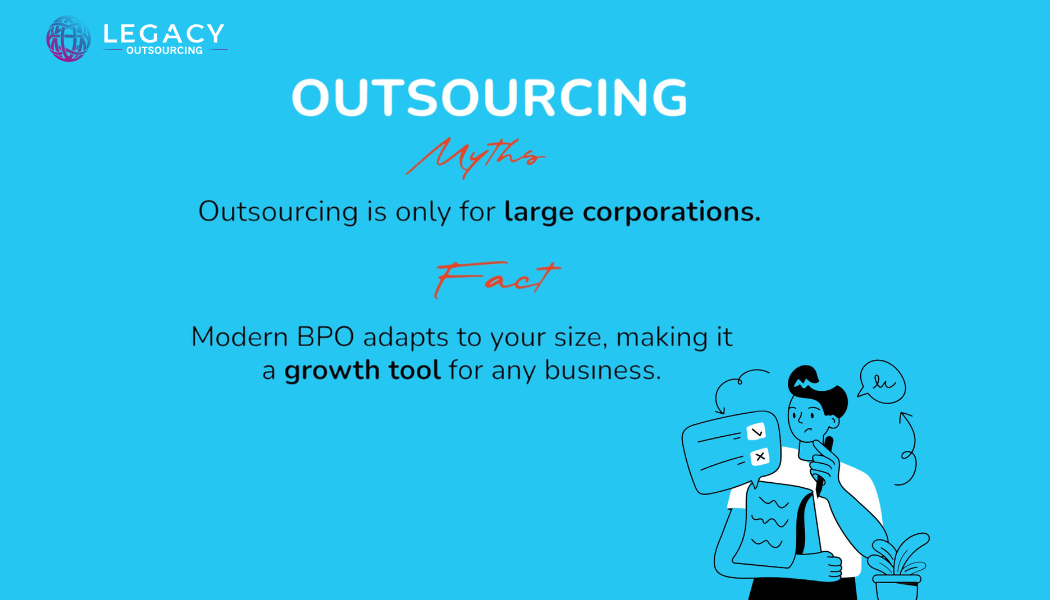
Is outsourcing suitable for small UK businesses?
Yes. Outsourcing models today are scalable and designed to support startups, SMEs, and growing companies not just large enterprises.
Is outsourcing compliant with UK regulations?
Yes provided you choose a provider that understands UK regulatory frameworks such as HMRC compliance, VAT regulations, payroll reporting, and GDPR requirements.
Will outsourcing save money?
In many cases, yes. Outsourcing can reduce overhead costs related to recruitment, employment benefits, infrastructure, and software licences.
What business activities are most commonly outsourced in the UK?
Accounts payable, bookkeeping, payroll, VAT processing, HR administration, customer support, IT services, and administrative tasks are frequently outsourced.
Will I lose control over my processes?
Not when structured correctly. With defined workflows, reporting systems, and clear communication channels, outsourcing can improve visibility and accountability.
 Email: outsourcing@legacyinvestors.co.uk
 Website: legacyoutsourcing.co.uk
 Follow us: LinkedIn | Instagram